
გილგამეშიEpic composed c. 2nd millennium BCE
The dreams of Gilgamesh
The oldest great work of literature is full of dreams: of a star falling from heaven, of a friend on the way, and of death.
ეს გვერდი ჯერ არ არის ხელმისაწვდომი ენაზე: ქართული. ამიტომ ინგლისურ ვერსიას კითხულობ.
მონახაზიეს გვერდი რედაქტორს ჯერ არ გადაუხედავს.
სიზმარი
ქვემოთ მოცემული წყაროების მიხედვით, ჩვენი სიტყვებით, ციტირების გარეშე.
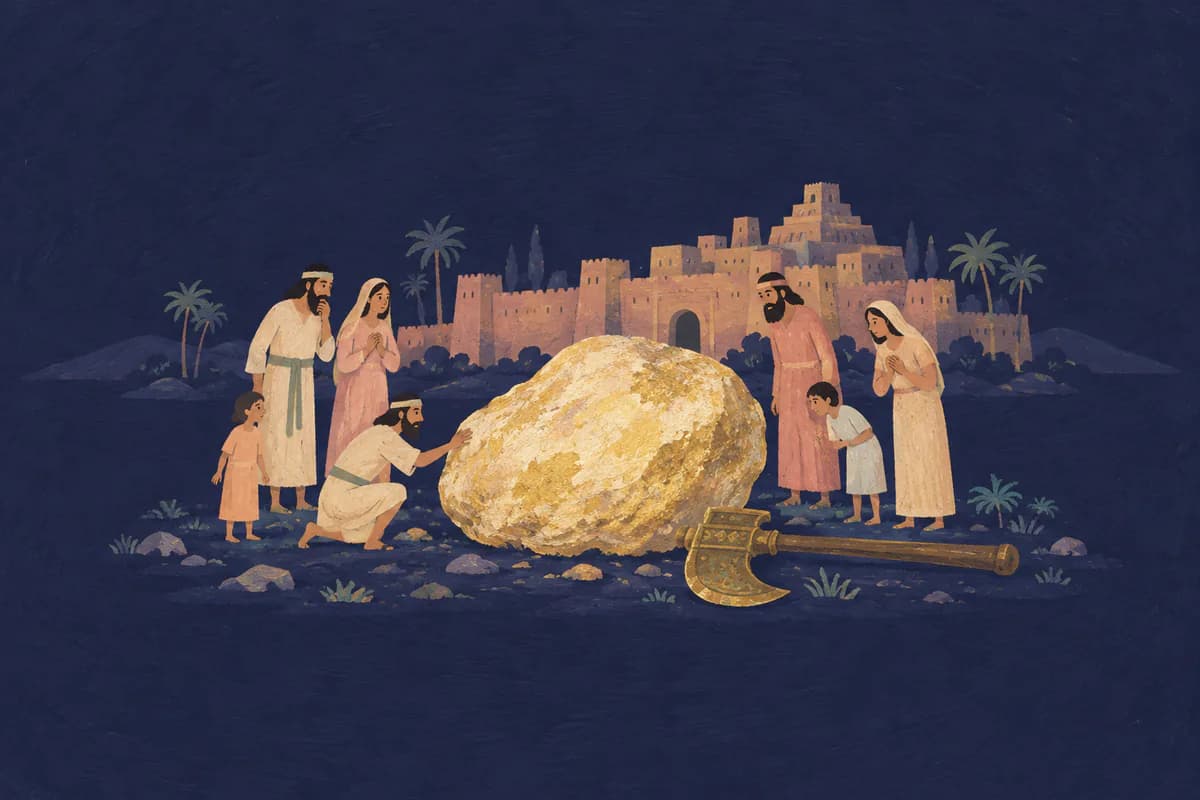
In the Epic of Gilgamesh, the restless king of Uruk dreams that a rock like a star from the sky falls beside him, too heavy for him to lift, and that the people gather round it. He dreams again of an axe that draws him as a wife would. His mother, the goddess Ninsun, explains: a strong companion is coming, whom he will love.
The companion is the wild man Enkidu. Later, on their journey to the Cedar Forest, Gilgamesh has a series of terrifying dreams, and each time Enkidu turns them into good omens. Near the end of his life, Enkidu dreams of the underworld, a house of dust where the dead sit in darkness.
- George 1999
საიდან მოდის ეს ამბავი
The epic survives on clay tablets in Akkadian, with the best-known version from the library of Ashurbanipal at Nineveh (7th century BCE) and older Babylonian versions. Its roots go back to Sumerian poems about Gilgamesh, a king of Uruk who may have lived in the early third millennium BCE.
The tablets are damaged in places, so modern translations, such as Andrew George's, mark gaps and reconstructions.
როგორ წაიკითხეს
კლასიკური ტექსტები
In Mesopotamia dreams were messages from the gods, and interpreting them was a serious skill. The epic shows the practice from inside: a dream reported, a trusted person reading it, and the reading shaping what happens next. It is among the earliest written examples of dream interpretation.
- George 1999
კვლევა
Gilgamesh's dreams before the Cedar Forest are classic threat dreams, coming right before danger. Threat simulation theory reads such dreams as rehearsal for what we fear, which is roughly how Enkidu uses them: to steady his friend.
- Revonsuo 2000
კითხვები შენი სიზმრებისთვის
- Have you ever dreamed of someone before you met them, or of a friendship to come?
- Who is the person you tell your frightening dreams to?
- What does a dream of death or loss change about how you treat the people you love?
სიმბოლოები ამ სიზმარში
გქონდა სიზმარი, რომელიც არ გავიწყდება?
მოგვიყევი შენი სიზმარიწყაროები
ამ გვერდის ყველა წაკითხვა ამ ნაშრომებს ეყრდნობა. გვერდების მითითებები ჯერ ყველა არ არის გადამოწმებული; გადაუმოწმებელი მონიშნულია.
Andrew George (1999). The Epic of Gilgamesh: A New Translation. London: Penguin.
ციტირებულია, არ არის გადმოტანილი
- მითითება: Tablets I, IV and VII (მითითება ჯერ არ არის გადამოწმებული)
- მითითება: introduction and Tablets I and IV (მითითება ჯერ არ არის გადამოწმებული)
Antti Revonsuo (2000). The reinterpretation of dreams: An evolutionary hypothesis of the function of dreaming. Behavioral and Brain Sciences 23(6): 877-901.
ციტირებულია, არ არის გადმოტანილისადავო თეორია
- მითითება: threat simulation (მითითება ჯერ არ არის გადამოწმებული)
Threat simulation theory: dreams as rehearsal for danger. Influential but contested; presented as one theory among several.