
რობერტ ლუის სტივენსონიAutumn 1885, Bournemouth
The dream that gave Stevenson Mr Hyde
Short of money and short of a plot, Stevenson dreamed two scenes, and wrote one of the most famous novellas in English in a matter of days.
ეს გვერდი ჯერ არ არის ხელმისაწვდომი ენაზე: ქართული. ამიტომ ინგლისურ ვერსიას კითხულობ.
მონახაზიეს გვერდი რედაქტორს ჯერ არ გადაუხედავს.
სიზმარი
ქვემოთ მოცემული წყაროების მიხედვით, ჩვენი სიტყვებით, ციტირების გარეშე.
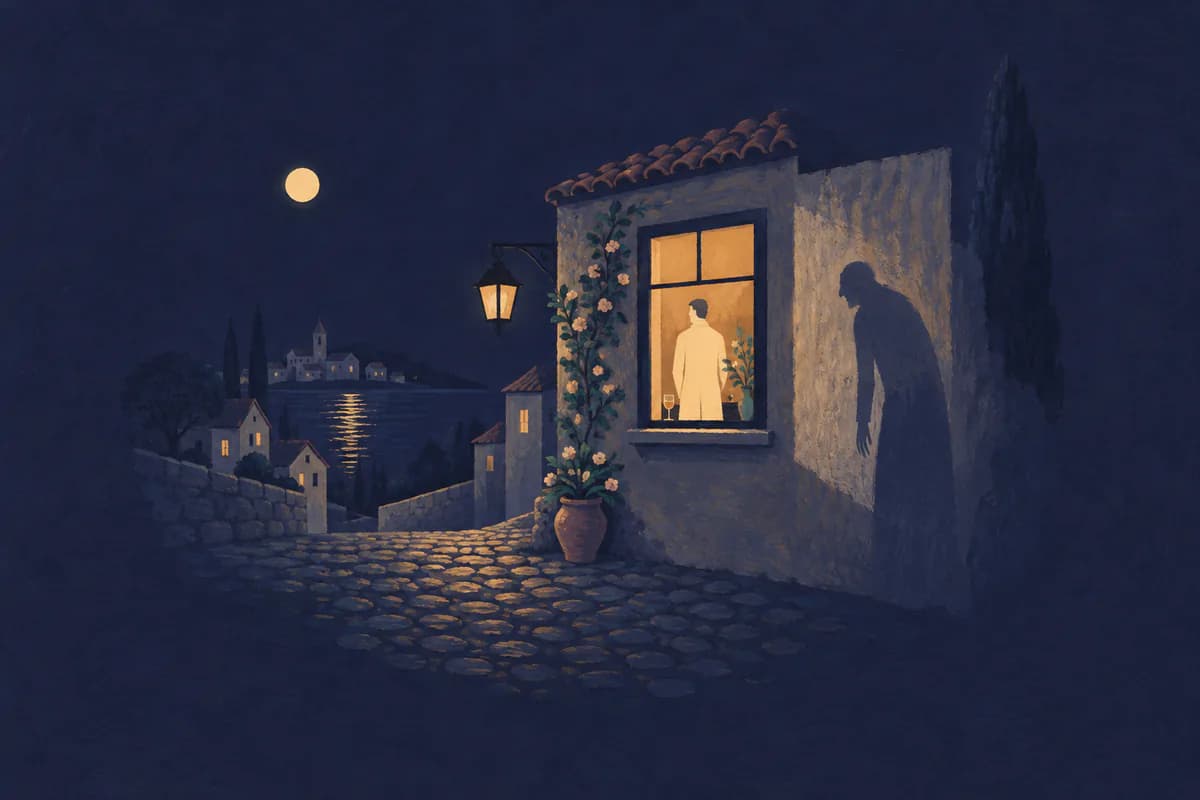
Stevenson had been trying for a long time to write a story about a person's double nature. In his own words, he racked his brains for a plot for two days. On the second night he dreamed the scene at the window, and then a scene in which Hyde, pursued for some crime, took the powder and changed in front of his pursuers.
His family later remembered that his wife Fanny, hearing him cry out in his sleep, woke him, and that he complained she had interrupted a fine nightmare.
- Stevenson 1888
საიდან მოდის ეს ამბავი
Strange Case of Dr Jekyll and Mr Hyde was published in January 1886. Stevenson described its origin himself in "A Chapter on Dreams", an essay in Scribner's Magazine in 1888, where he credits much of his storytelling to the little people, his "Brownies", who acted out plots for him while he slept.
He is careful to say that the dream gave him only those scenes; the rest, including the moral meaning, was his waking work. The detail about Fanny waking him comes from family recollections published later, not from the essay.
როგორ წაიკითხეს
კვლევა
Stevenson's essay is one of the earliest detailed descriptions by a writer of using dreams deliberately. Modern research on creativity and sleep agrees with his modest version: dreams supply vivid fragments tied to a problem the dreamer has been working on, and waking judgement does the building.
- Barrett 2001
- Zadra & Stickgold 2021
ფსიქოანალიზი
A respectable man who turns into his hidden other is almost a textbook image for what psychoanalysis would later call the repressed, and for what Jung would call the shadow. The dream staged it as a chase, which is how many people still dream about the parts of themselves they run from.
კითხვები შენი სიზმრებისთვის
- Is there a side of yourself that shows up in dreams more than in daylight?
- When you are chased in a dream, do you ever see who is chasing you?
- What problem have you been working on long enough that a dream might finish it?
სიმბოლოები ამ სიზმარში
გქონდა სიზმარი, რომელიც არ გავიწყდება?
მოგვიყევი შენი სიზმარიწყაროები
ამ გვერდის ყველა წაკითხვა ამ ნაშრომებს ეყრდნობა. გვერდების მითითებები ჯერ ყველა არ არის გადამოწმებული; გადაუმოწმებელი მონიშნულია.
Robert Louis Stevenson (1888). A Chapter on Dreams. Scribner's Magazine 3(1).
საჯარო დომენი
- მითითება: A Chapter on Dreams (მითითება ჯერ არ არის გადამოწმებული)
Reprinted in Across the Plains (1892).
Deirdre Barrett (2001). The Committee of Sleep. New York: Crown.
ციტირებულია, არ არის გადმოტანილი
- მითითება: chapters on writers (მითითება ჯერ არ არის გადამოწმებული)
Harvard psychologist on dreams and creative problem solving, with historical examples.
Antonio Zadra, Robert Stickgold (2021). When Brains Dream: Exploring the Science and Mystery of Sleep. New York: W. W. Norton.
ციტირებულია, არ არის გადმოტანილი
- მითითება: the NEXTUP model (მითითება ჯერ არ არის გადამოწმებული)
NEXTUP model: dreaming explores weak, unexpected associations between memories.