
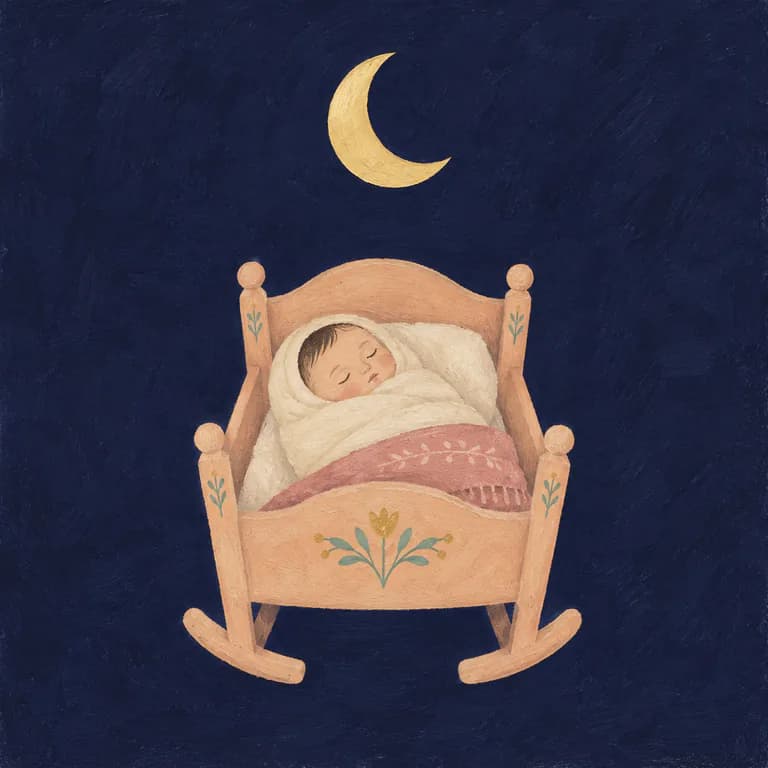
სიზმარში ჩვილი: რას შეიძლება ნიშნავდეს
- ახალი დასაწყისი
- ოჯახი
ეს გვერდი ჯერ არ არის ხელმისაწვდომი ენაზე: ქართული. ამიტომ ინგლისურ ვერსიას კითხულობ.
მონახაზიეს გვერდი რედაქტორს ჯერ არ გადაუხედავს.
მოკლე პასუხი
Babies in dreams often stand for something new and fragile that needs care, or for responsibility itself. Forgetting or losing a baby is a common anxiety dream about being stretched too thin.
შენი სიზმარი მხოლოდ შენია
მოყევი ისე, როგორც გახსოვს. მიიღებ წაკითხვას შენს სიზმარსა და ცხოვრებაზე, და არა ლექსიკონის ჩანაწერს.
წაკითხვის სამი გზა
ფსიქოლოგია და კვლევა
კვლევაContinuity researchers note that the characters in our dreams reflect the people and concerns on our minds, so parents and people around small children dream of babies often. When there is no baby in your life, the image is commonly connected with something new you are responsible for, or with your own need to be looked after. Dreams of forgetting a baby somewhere tend to appear when people feel overloaded and afraid of dropping something important.
- Domhoff 2001
- Hall & Van de Castle 1966
ხალხური ტრადიცია
ტრადიცია და არა მეცნიერებატრადიცია: American popular dream books, around 1900
Dream books around 1900 split babies into good and bad omens: a lovely, healthy baby for love and friends, a crying or sick baby for disappointment. This is folklore, not a forecast.
- Miller 1901
კითხვები საკუთარი თავისთვის
- What new thing in your life needs protection or patience right now?
- Did you feel capable of caring for the baby, or overwhelmed?
- Is there a part of you that would like to be looked after?
მსგავსი სიმბოლოები
წყაროები
ამ გვერდის ყველა წაკითხვა ამ ნაშრომებს ეყრდნობა. გვერდების მითითებები ჯერ ყველა არ არის გადამოწმებული; გადაუმოწმებელი მონიშნულია.
G. William Domhoff (2001). A New Neurocognitive Theory of Dreams. Dreaming 11(1): 13-33.
ციტირებულია, არ არის გადმოტანილი
- მითითება: pp. 13-33 (dreams as simulations of personal concerns) (მითითება ჯერ არ არის გადამოწმებული)
Dreams as embodied simulations of personal concerns (the continuity view). The backbone of our psychology lens.
Calvin S. Hall, Robert L. Van de Castle (1966). The Content Analysis of Dreams. New York: Appleton-Century-Crofts.
ციტირებულია, არ არის გადმოტანილი
- მითითება: coding categories: characters (მითითება ჯერ არ არის გადამოწმებული)
The standard coding system for dream content (characters, social interactions, misfortunes, emotions, settings, objects) and its normative sample.
Gustavus Hindman Miller (1901). What's in a Dream (later reissued as Ten Thousand Dreams Interpreted).
საჯარო დომენი
- მითითება: entry: Baby (მითითება ჯერ არ არის გადამოწმებული)
An American popular dream dictionary. Its entries are written as omens ("foretells"); we only report how people once read a symbol, never as a forecast.