
Larry PageAround 1996, at Stanford
Larry Page's midnight idea
Google's co-founder says the idea of downloading the whole web came to him when he woke from a vivid dream at 23.
Esta página ainda não está disponível no idioma Português (Brasil), por isso você está lendo a versão em inglês.
RascunhoEsta página ainda não foi revisada por um editor.
O sonho
Recontado com nossas próprias palavras a partir das fontes abaixo, sem citação literal.
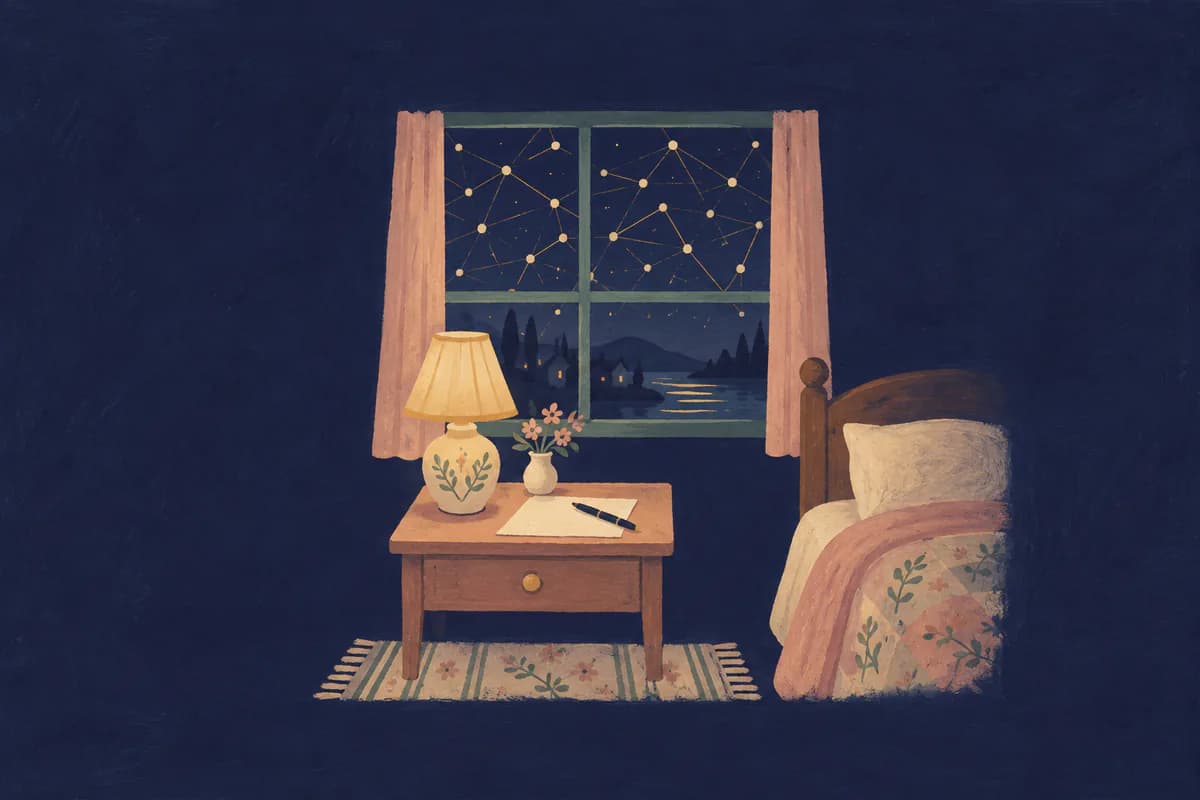
In his 2009 commencement speech at the University of Michigan, Larry Page asked the graduates if they knew what it was like to wake in the middle of the night from a vivid dream, and to lose it by morning if there was no pen by the bed.
He said he had one of those dreams when he was 23. He woke with a thought: what if the whole web could be downloaded, keeping just the links? He grabbed a pen and began writing out the details, to see whether it could really be done.
- Page 2009
De onde vem a história
Page was a graduate student at Stanford at the time. The project, analysing the links between pages, grew with Sergey Brin into a way of ranking search results, and then into Google, founded in 1998.
The speech is our only source for the dream, and it was a commencement address built around the theme of following dreams. Page does not describe the dream itself, only the idea he woke with.
Como foi interpretado
Pesquisa
Waking in the night with a solution to a problem you have been living with is a well described experience. The NEXTUP model suggests sleep lets the brain test loose associations between memories, which fits an idea that feels sudden but draws on months of work.
- Zadra & Stickgold 2021
Perguntas para seus próprios sonhos
- What idea have you woken up with and lost by breakfast?
- What problem are you living with right now that might follow you into sleep?
- Would you try keeping a notebook by the bed for a week?
Teve um sonho que marcou você?
Quero contar meu sonhoFontes
Todas as interpretações desta página vêm destas obras. Ainda há referências de páginas que não foram conferidas; elas estão sinalizadas.
Larry Page (2009). Commencement address, University of Michigan, 2 May 2009.
citado, não reproduzido
- Local da citação: passage on the dream at 23 (referência ainda não conferida)
Transcript published by Google and by the press.
Antonio Zadra, Robert Stickgold (2021). When Brains Dream: Exploring the Science and Mystery of Sleep. New York: W. W. Norton.
citado, não reproduzido
- Local da citação: the NEXTUP model (referência ainda não conferida)
NEXTUP model: dreaming explores weak, unexpected associations between memories.