
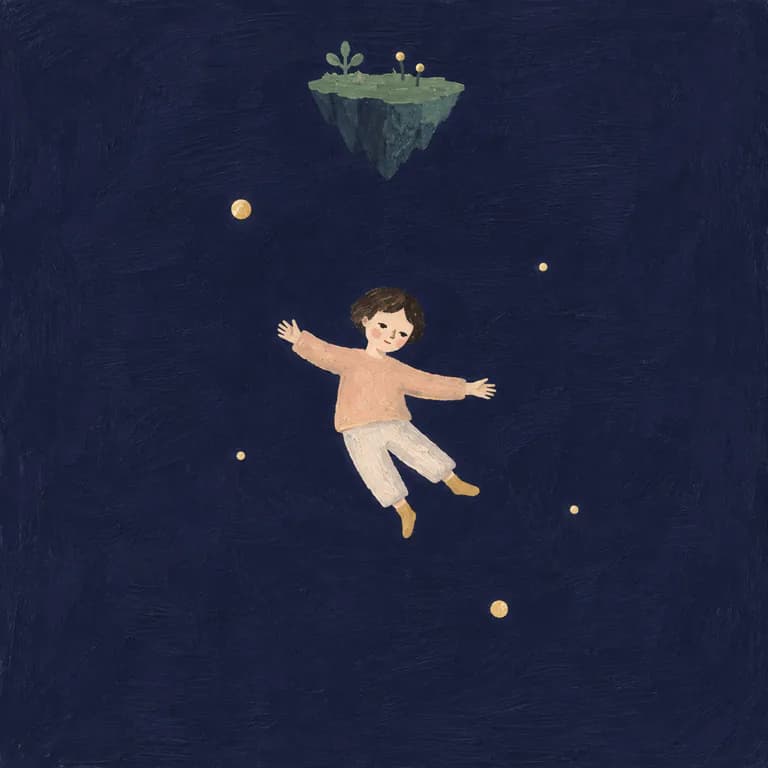
სიზმარში ვარდნა: რას შეიძლება ნიშნავდეს
- შიში და საფრთხე
- სხეული
- ცვლილება
ეს გვერდი ჯერ არ არის ხელმისაწვდომი ენაზე: ქართული. ამიტომ ინგლისურ ვერსიას კითხულობ.
მონახაზიეს გვერდი რედაქტორს ჯერ არ გადაუხედავს.
მოკლე პასუხი
Falling is one of the most familiar dream experiences. It often goes with feeling unsupported or out of control, and the sudden jolt awake can simply be the body relaxing into sleep.
შენი სიზმარი მხოლოდ შენია
მოყევი ისე, როგორც გახსოვს. მიიღებ წაკითხვას შენს სიზმარსა და ცხოვრებაზე, და არა ლექსიკონის ჩანაწერს.
წაკითხვის სამი გზა
ფსიქოლოგია და კვლევა
კვლევაFalling appears near the top of the typical dreams people report in surveys. Some falling sensations happen right at sleep onset, when the muscles relax suddenly and the brain produces a brief falling image and a jerk. Longer falling dreams tend to match waking feelings of losing footing: at work, in a relationship, with money or health. Threat simulation theory reads them as rehearsal for danger, though that idea remains debated. The details matter: were you pushed, did you let go, did you land?
- Nielsen et al. 2003
- Revonsuo 2000
- Domhoff 2001
კლასიკური ტექსტები
ისტორიაFreud listed falling together with flying among the typical dreams, and linked both to bodily memories of childhood games of being swung and dropped. Later research has not confirmed his broader theory, but the idea that such dreams draw on body sensation is still discussed.
- Freud 1913
ხალხური ტრადიცია
ტრადიცია და არა მეცნიერებატრადიცია: American popular dream books, around 1900
Dream books around 1900 read a fall as a sign of struggle, and a fall without injury as getting through it. This is historical folklore, not a prediction.
- Miller 1901
კითხვები საკუთარი თავისთვის
- Where do you feel unsupported or unsure of your footing right now?
- Did you fall, or were you pushed? Did you land?
- What would help you feel more held or grounded this week?
მსგავსი სიმბოლოები
წყაროები
ამ გვერდის ყველა წაკითხვა ამ ნაშრომებს ეყრდნობა. გვერდების მითითებები ჯერ ყველა არ არის გადამოწმებული; გადაუმოწმებელი მონიშნულია.
Tore A. Nielsen, Antonio L. Zadra, Valérie Simard, Sébastien Saucier, Philippe Stenstrom, Carlyle Smith, Don Kuiken (2003). The typical dreams of Canadian university students. Dreaming 13(4): 211-235.
ციტირებულია, არ არის გადმოტანილი
- მითითება: typical dreams questionnaire, results (მითითება ჯერ არ არის გადამოწმებული)
Survey of how many people report having had common dream themes (being chased, falling, teeth, flying, exams, nakedness and others) at least once.
Antti Revonsuo (2000). The reinterpretation of dreams: An evolutionary hypothesis of the function of dreaming. Behavioral and Brain Sciences 23(6): 877-901.
ციტირებულია, არ არის გადმოტანილისადავო თეორია
- მითითება: pp. 877-901 (threat simulation theory) (მითითება ჯერ არ არის გადამოწმებული)
Threat simulation theory: dreams as rehearsal for danger. Influential but contested; presented as one theory among several.
G. William Domhoff (2001). A New Neurocognitive Theory of Dreams. Dreaming 11(1): 13-33.
ციტირებულია, არ არის გადმოტანილი
- მითითება: pp. 13-33 (dreams as simulations of personal concerns) (მითითება ჯერ არ არის გადამოწმებული)
Dreams as embodied simulations of personal concerns (the continuity view). The backbone of our psychology lens.
Sigmund Freud (1913). The Interpretation of Dreams, თარგმანი: A. A. Brill. New York: Macmillan.
პირველად გამოიცა: 1900
საჯარო დომენი
- მითითება: Ch. V, section D, typical dreams (dreams of flying and falling) (მითითება ჯერ არ არის გადამოწმებული)
First English translation, of the third German edition. Public domain; scholars consider it looser than the later Strachey translation, which is copyrighted.
Gustavus Hindman Miller (1901). What's in a Dream (later reissued as Ten Thousand Dreams Interpreted).
საჯარო დომენი
- მითითება: entry: Falling (მითითება ჯერ არ არის გადამოწმებული)
An American popular dream dictionary. Its entries are written as omens ("foretells"); we only report how people once read a symbol, never as a forecast.